Did you know?
Did you know that incorrect chemical dosing in the pool creates an unpleasant chloramine smell, and poor pH destroys your expensive equipment?
We reveal some of the invisible problems and common mistakes that arise from unprofessional maintenance of pools and gardens. Find out why it is crucial to hire licensed experts – to protect the health, property, and beauty of your luxury exterior.
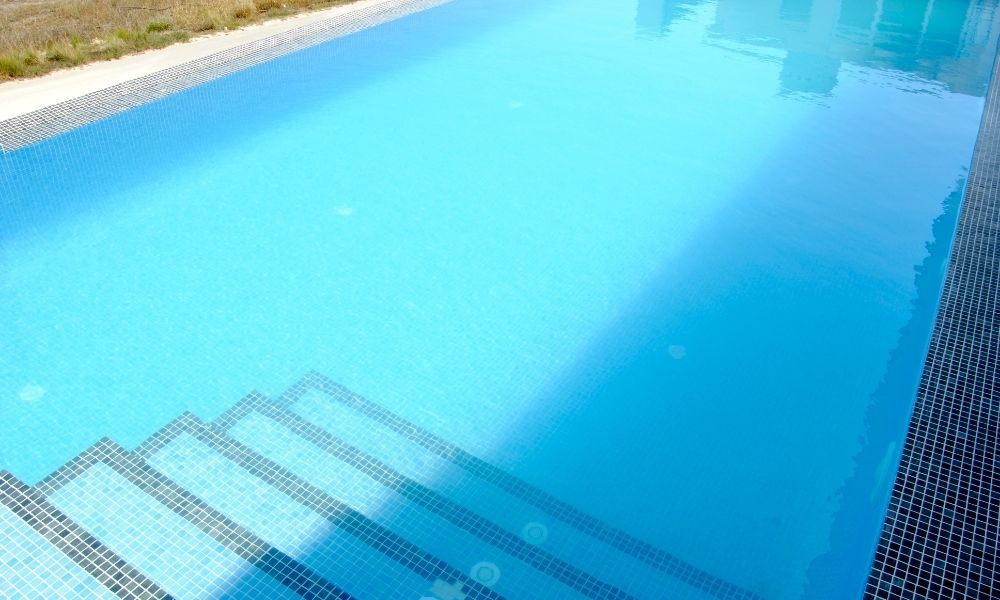
Why does the water become cloudy?
A milky or cloudy appearance is often attributed to algae, but in most cases, it is caused by microscopic particles that are too small for the sand filter to catch.
The interesting fact is that the cause is often poor pH balance, as a pH outside the ideal range (7.2 - 7.6) prevents chlorine from working effectively and causes mineral deposition.
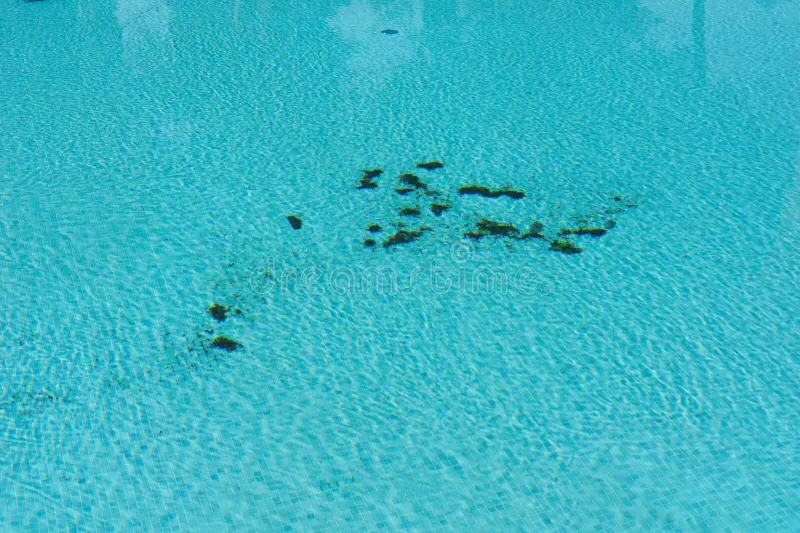
Black algae – the most persistent enemy
Black algae is not actually ordinary algae, but a type of cyanobacterium that develops extremely stubborn layers of mucus and a thick protective wall.
It is interesting that it penetrates **grout and micro-fissures** inside the pool, which is why classic shock chlorination is often ineffective.
Its removal requires mechanical scrubbing or brushing of these spots before chemical treatment.
Chloramine – the culprit for the "chlorine smell"
People often think the pool "smells like chlorine" due to too much chlorine, but a **strong chlorine smell is a sign of LACK of active chlorine and poor filtration.** The smell is caused by **chloramines**, compounds that form when active chlorine binds with nitrogen (from sweat, urine, cosmetics). Chloramines are what irritate the eyes and respiratory tract, and with proper shock chlorination (or "breaking up" chloramines), the smell disappears.
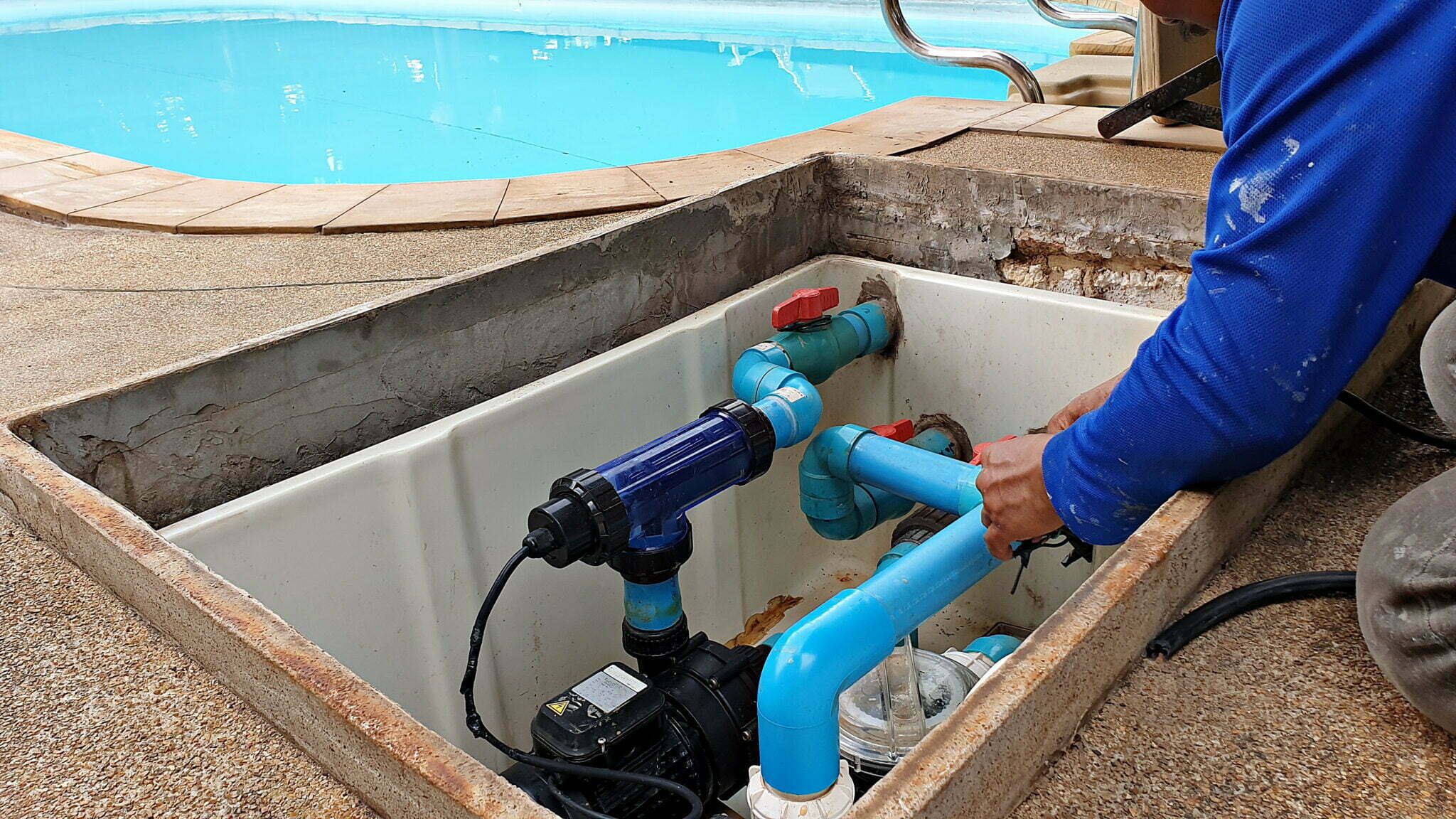
Damage to the pump house due to poor pH
Improper maintenance of water chemistry not only affects swimming but also pool equipment:
Low pH (acidity): It is corrosive and can damage the metal parts of the pump, heater, and filters, shortening their lifespan.
High pH (alkalinity): Causes scale buildup (mineral deposits) on the interior of pipes and filters, reducing flow and heating efficiency.
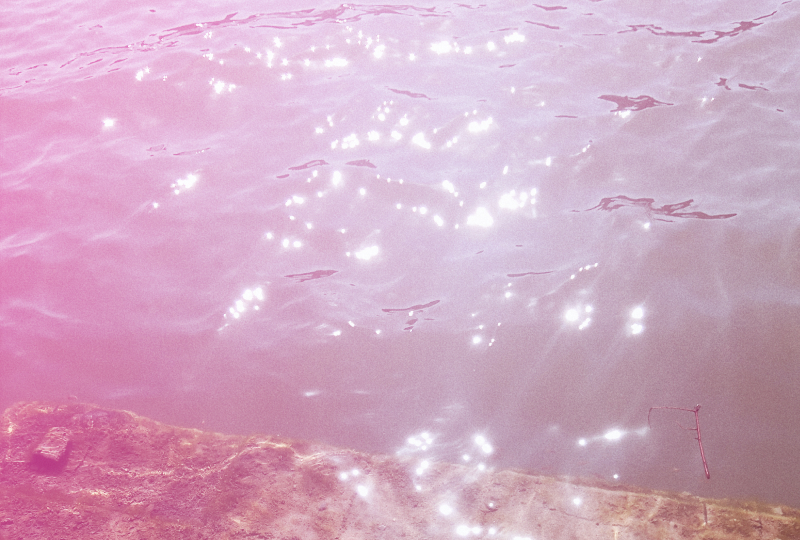
"Pink Slime"
Although rarer, pink or orange slime is not algae, but a bacterium let. Serratia marcescens.
Interestingly, it thrives in conditions where chlorine is present, but often hides within narrow pipes, filters, and hoses, from where it is difficult to eradicate it with chemicals alone.
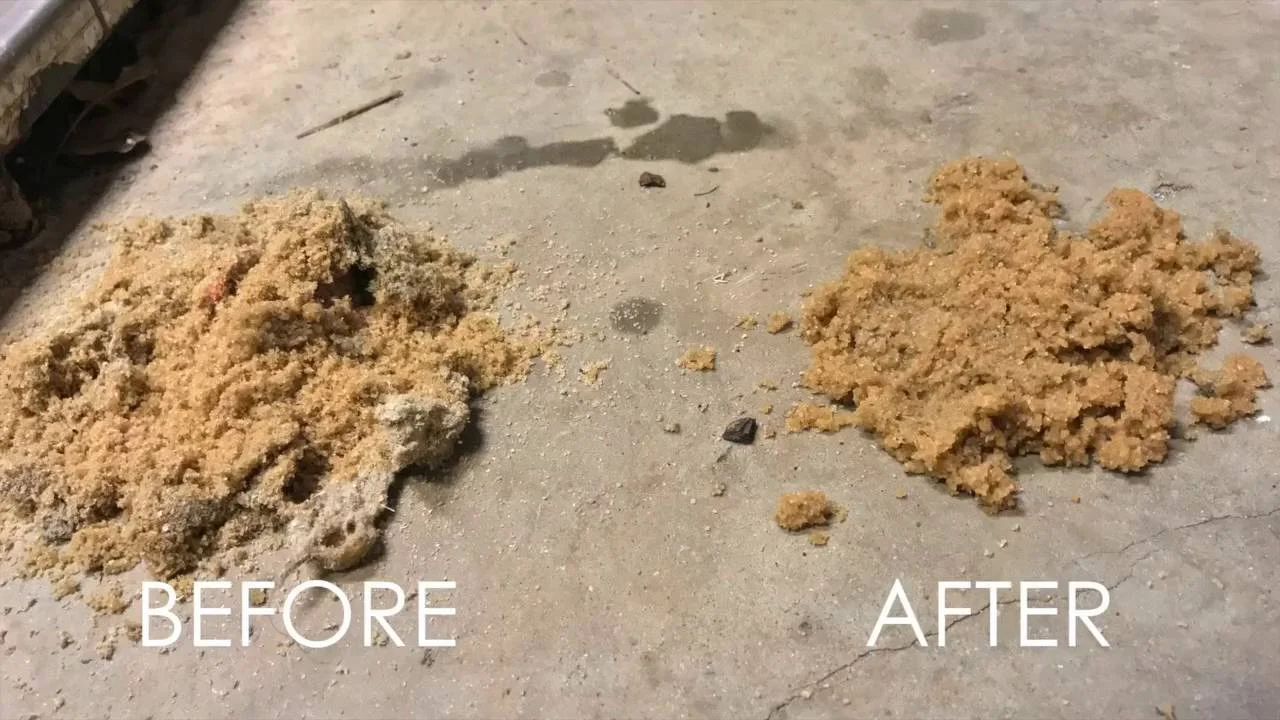
Filter sand has an expiration date
The sand in the sand filter should be changed approximately every 5 years.
The interesting fact is that over time, the sand grains (quartz sand) become rounded and polished by friction. When they become too smooth, they cannot effectively catch dirt particles, leading to poorer filtration quality, regardless of water chemistry.
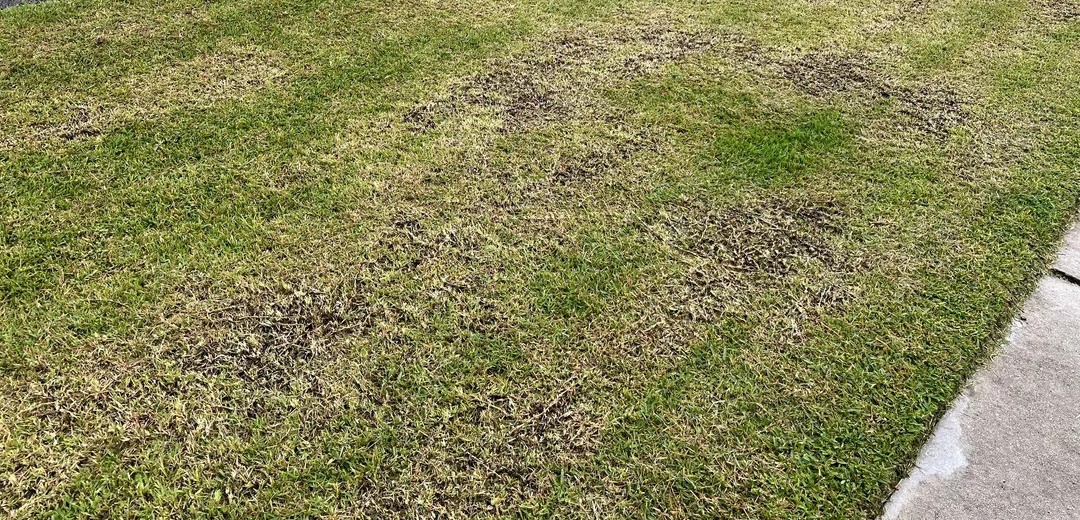
"Dead" lawn due to mowing too low
While most people think lower mowing is tidier, **non-gradual mowing** can kill the grass.
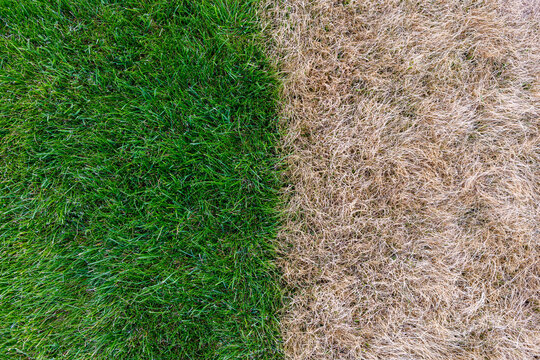
If more than **one-third** of the blade height is removed at once, the grass experiences shock (like an amputation). This reduces the ability to photosynthesize, resulting in "burnt" brown patches and susceptibility to disease and drought.
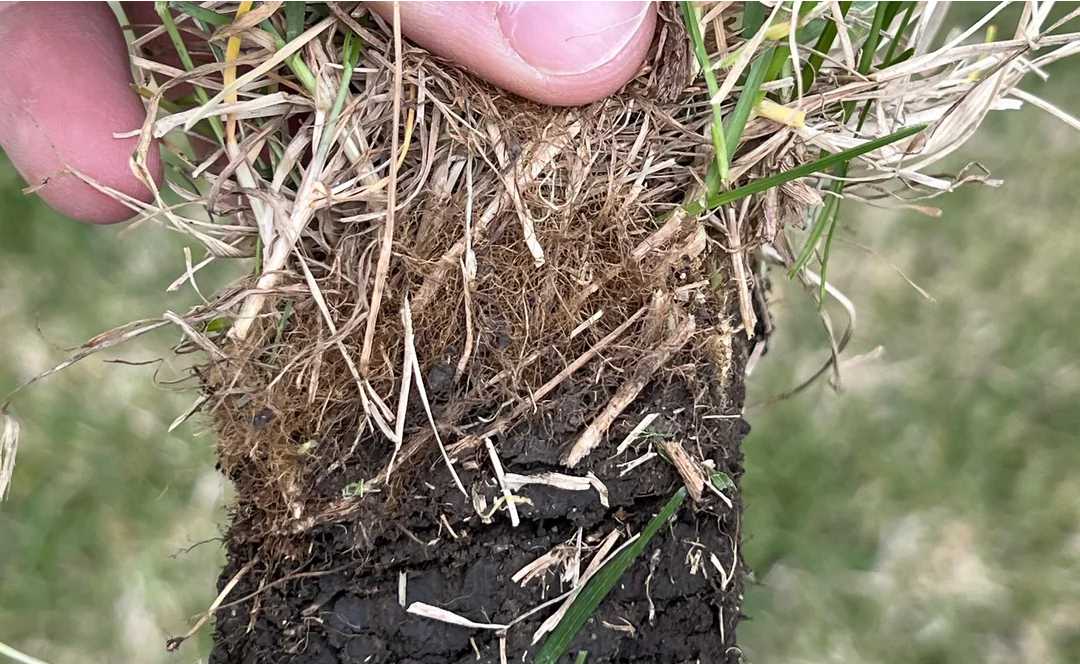
Thick layer of brown "Thatch"
With unprofessional mowing (leaving cut grass) and too frequent irrigation, a thick layer of organic material and dead grass called *thatch* accumulates over time.
This layer acts like a **sponge**; it prevents water, air, and nutrients from penetrating the roots, which suffocates the grass and creates an ideal environment for fungal diseases.
Excessive irrigation – the culprit for shallow roots
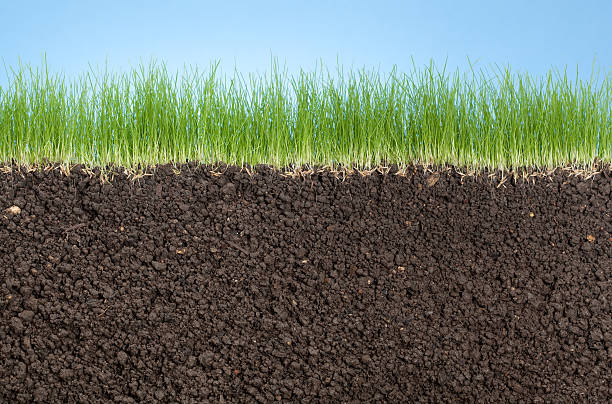
People often water the lawn briefly and too frequently. This type of irrigation encourages roots to grow **shallowly** (close to the surface), as water does not penetrate deeply.
When drought occurs, the lawn dries out much faster because the roots do not have access to deeper moisture. Our recommendation is **less frequent, but deep** watering to encourage the growth of long, resistant roots.
Fertilizing only once a year – missed purpose
The lawn has specific nutrient needs during different seasons.
Fertilizing only once a year is often ineffective. The grass will use up all the nutrients within a few weeks, and the rest of the season will suffer from a lack of food, resulting in poor color and increased susceptibility to weeds.
Weeds as problem indicators
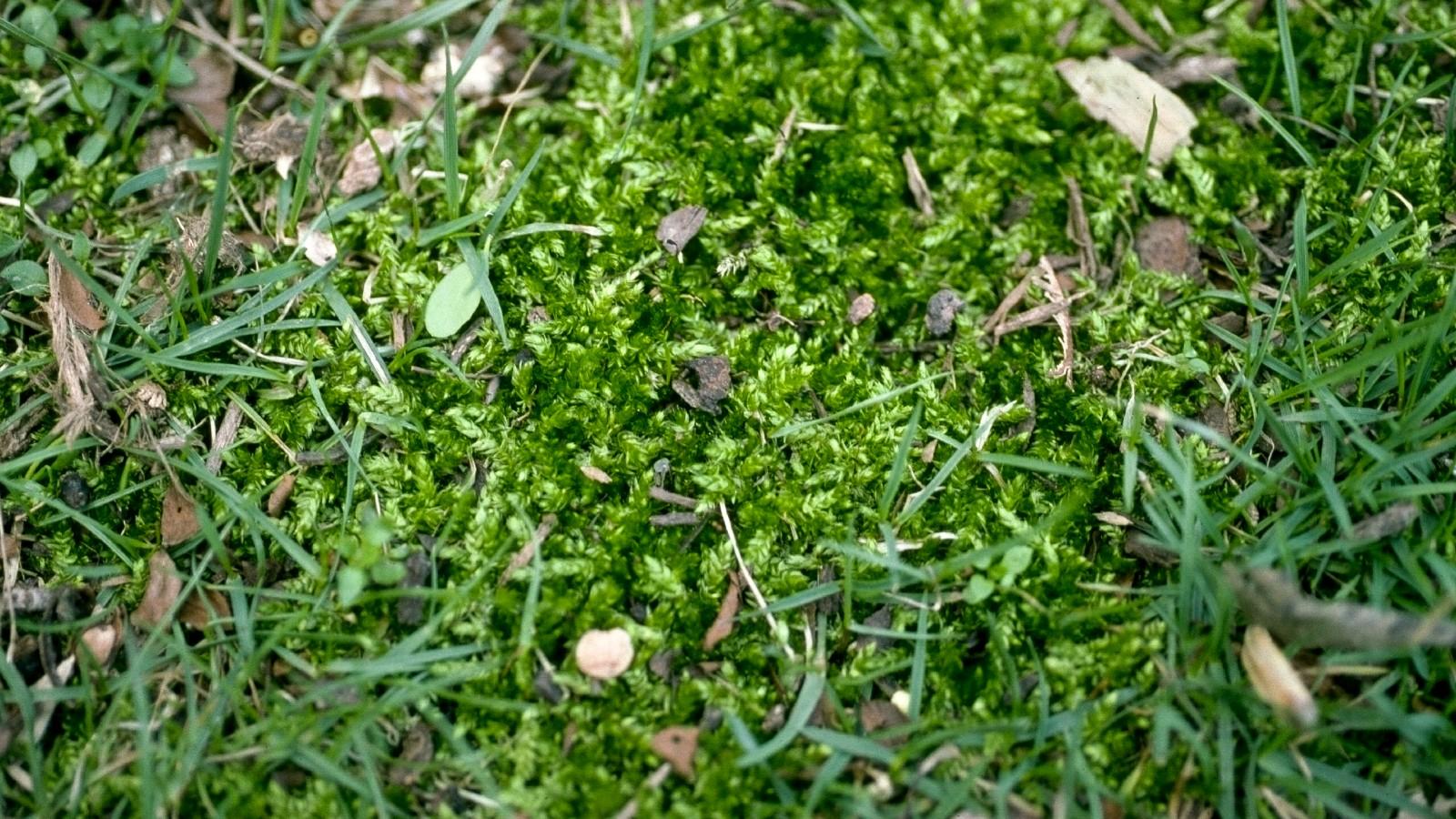
Unskilled owners see weeds only as an aesthetic problem. The appearance of specific weeds often indicates an **underlying problem in the soil**.
For example, plantain appears in compacted soil lacking aeration, and moss always indicates too much moisture and overly acidic soil.
Water is wasted as it evaporates
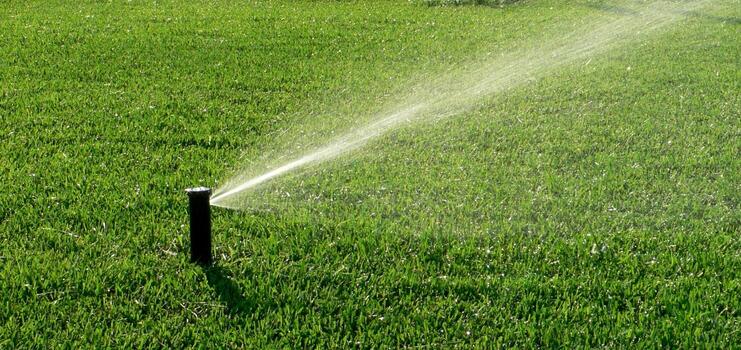
If the system is set to activate at noon, it is **extremely inefficient**.
30% of the water dispensed can evaporate before plants even absorb it due to sun and wind.
**Properly installed irrigation systems** are always programmed to water in the early morning hours (between 4 and 6 AM) when the temperature is lowest.
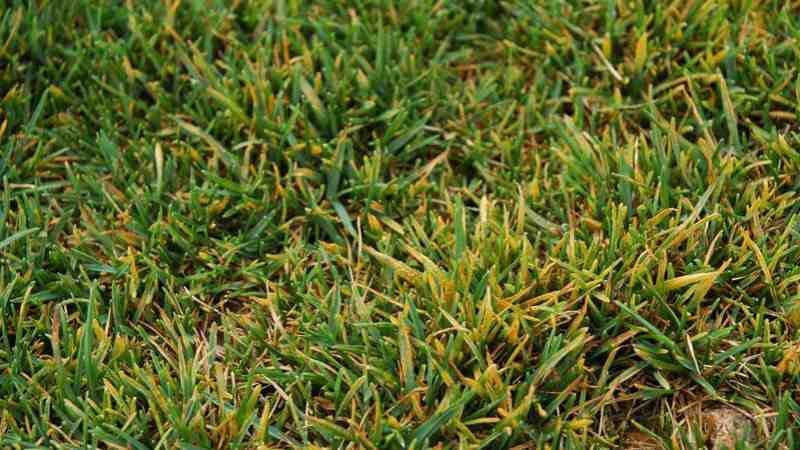
Excessive watering as the culprit for fungal diseases
Many owners think that more water is better, which leads to overwatering.
Too much moisture in the soil not only suffocates the roots but also creates ideal conditions for the development of **fungal diseases (like rust or powdery mildew)**. Thus, an unprofessionally installed system can do more harm than good, requiring additional treatments and costs.